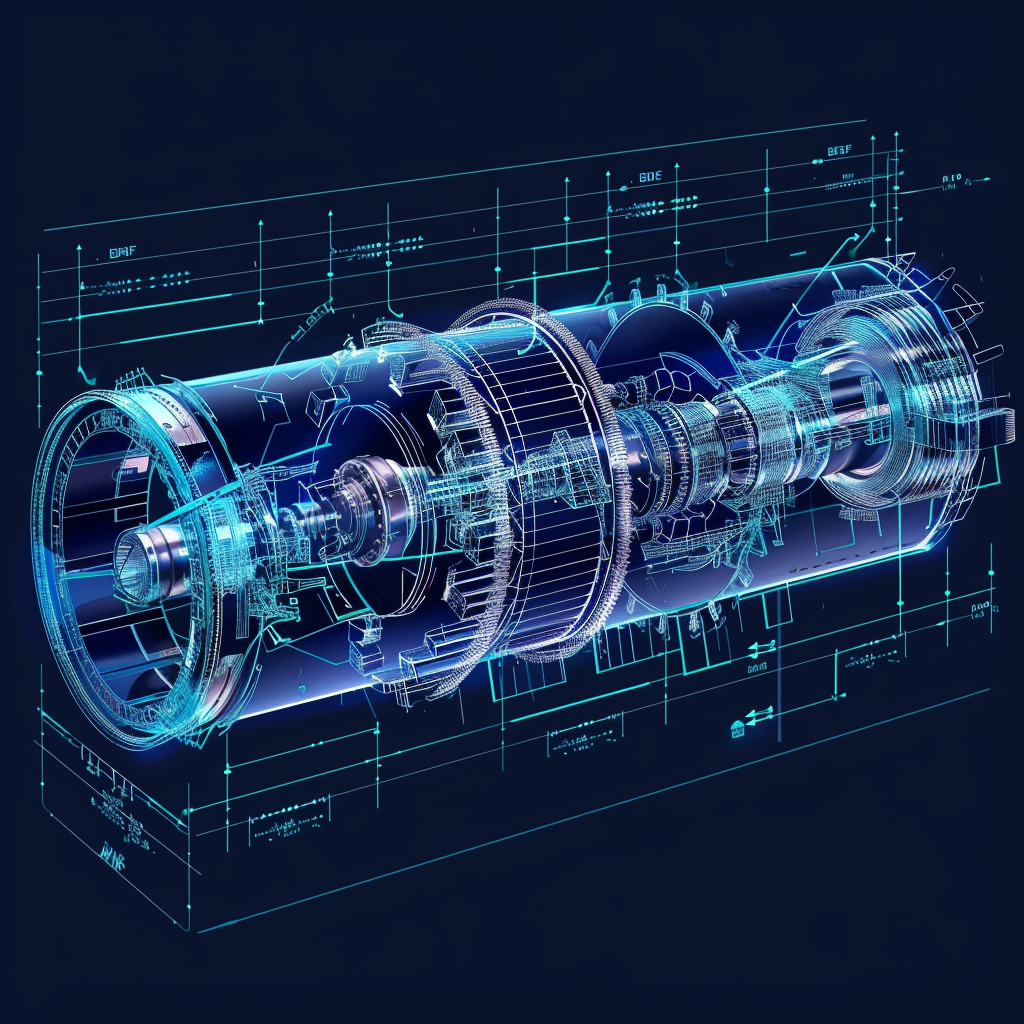
Choosing the right brake is essential for ensuring stable performance, especially in tension control and high-speed production lines. Magnetic powder brakes and electromagnetic brakes serve different purposes and operate on completely different principles.
This comparison helps engineers select the best option for their application.
1. Working Principle Comparison
Magnetic Powder Brake
- Uses magnetic particles to create resistance
- Torque is proportional to current
- Provides smooth, constant torque, even at low speed
- Ideal for continuous load and stable tension
Electromagnetic Brake
- Operates via electromagnetic attraction between plates
- Provides instantaneous lock-up
- Best for start-stop positioning
- Not suitable for continuous torque control
2. Torque Behavior
3. Heat Dissipation Considerations
Powder brakes generate heat under load.
Models with improved cooling structure (ventilation holes, aluminum housings) perform better in continuous braking situations.
Electromagnetic brakes generate less heat but cannot maintain continuous torque.
4. Application Recommendations
Use a Powder Brake When:
- Tension must remain constant
- The brake must run continuously
- Speed is low but torque must remain stable
- Film, paper, cable, or foil is being unwound
Use an Electromagnetic Brake When:
- High-speed stop positioning is required
- No continuous braking load exists
- The machine only needs “ON/OFF” control
5. Summary Table
Conclusion
Powder brakes and electromagnetic brakes are not interchangeable. Understanding their operating principles ensures the correct selection for long-term performance, stability, and safety.