This article compares three tension-control methods: direct torque control, calculated open-loop control, and sensor-feedback closed-loop control. They are classified by the control signals used and whether actual web-tension feedback is available.
At a glance: match the control method to the process, not just the component price
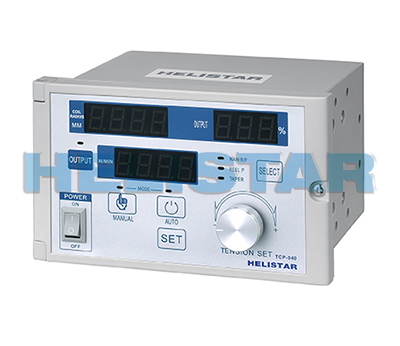
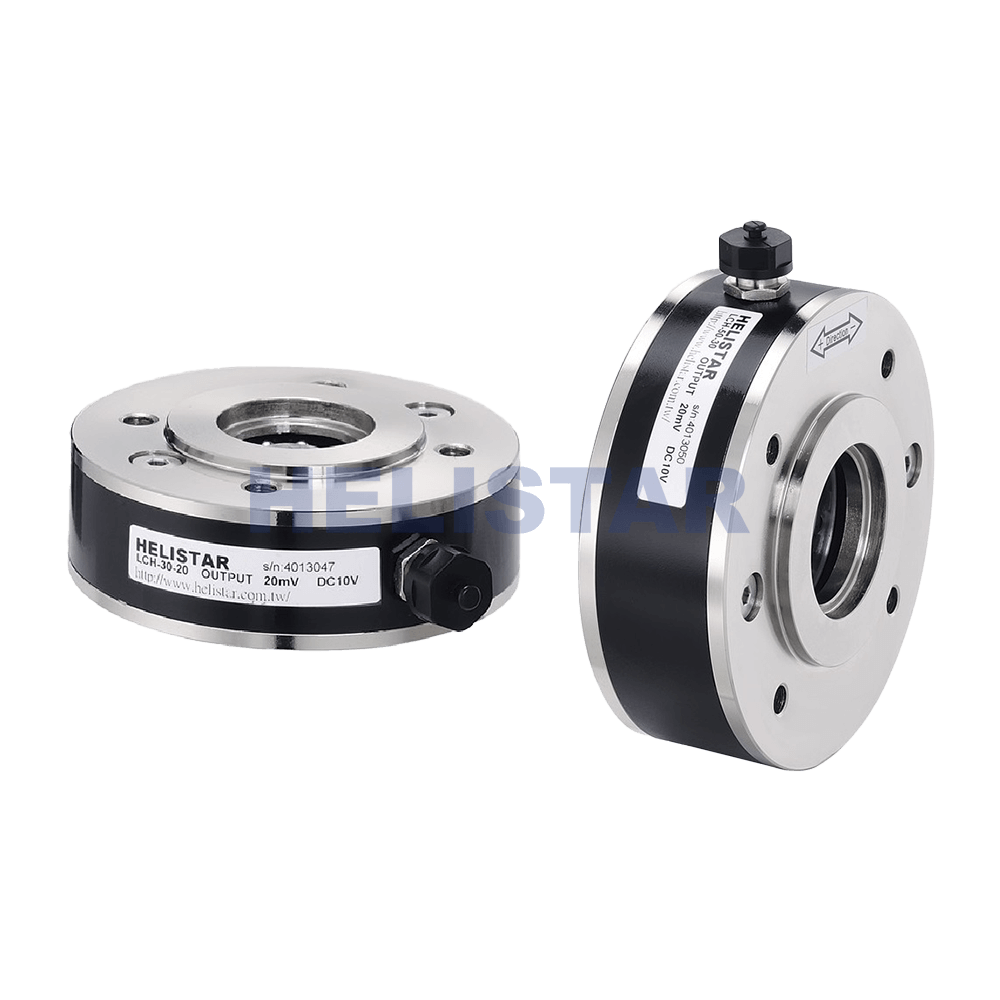
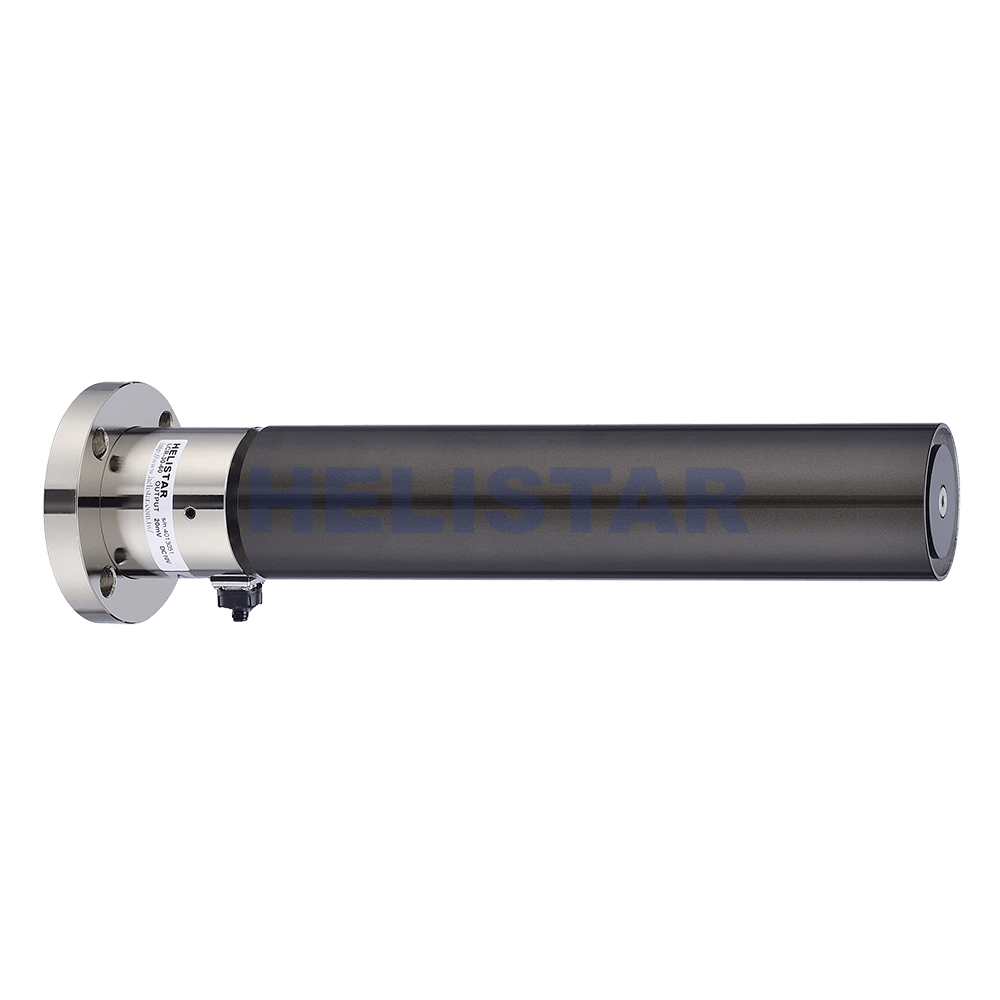
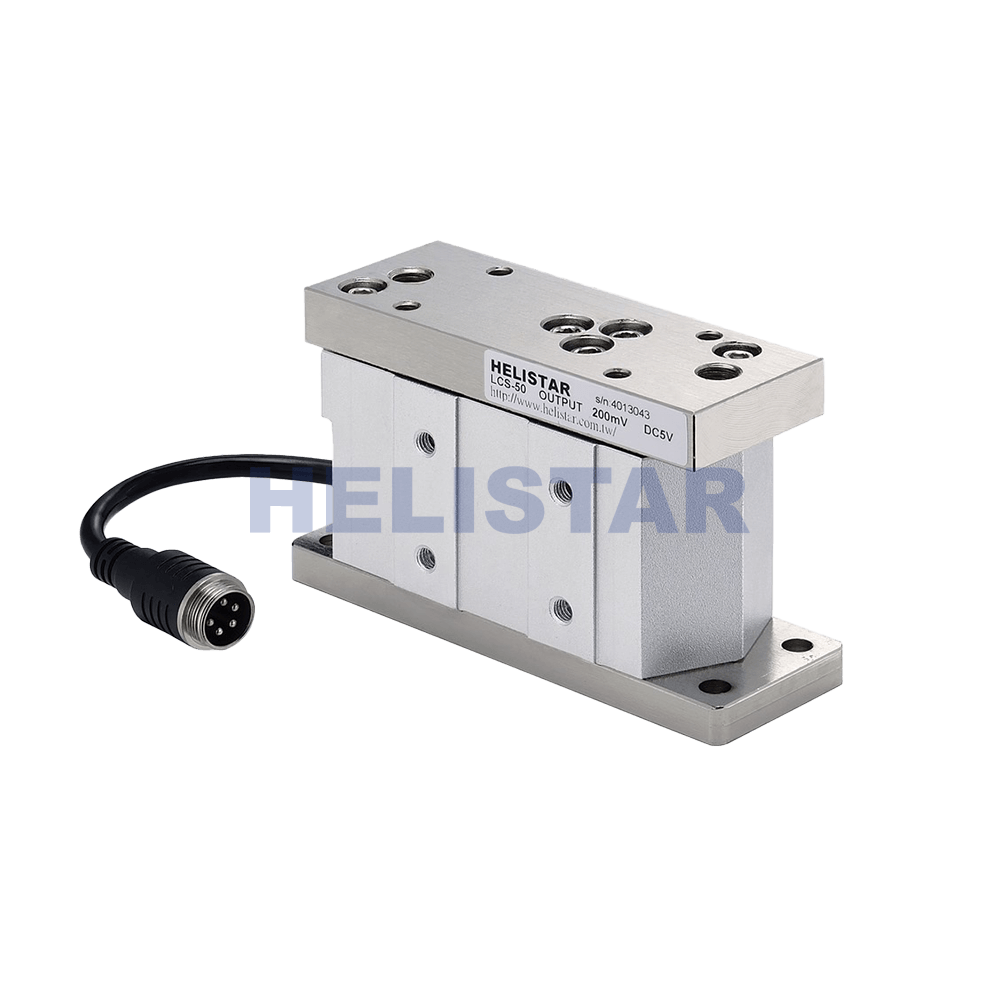
The distinction is not simply the number of controller features. It is which process signals the system can use and whether it can continuously correct the difference between target and measured tension. OEMs and machine designers should assess line speed, roll-diameter ratio, material sensitivity, finished-roll quality, automation requirements, mechanical condition, and implementation cost together. HELISTAR can help evaluate the configuration of powder brakes or clutches, tension controllers, and tension sensors for an unwinding or rewinding section, including an existing-machine retrofit.
1. What separates the three tension-control methods?
The basic relationship can be approximated as:
Web tension F ≈ torque T ÷ effective roll radius R
As roll diameter changes during operation, holding brake or clutch torque constant does not necessarily hold web tension constant. The selection question is therefore not merely whether a magnetic powder component is installed. It is what information the control system has and how it responds to changes in diameter, speed, material, and machine behavior.
These are different signal and control architectures, not a universal ranking of low-, mid-, and high-end products. More complete input and feedback can support control under more complex variation, but sensor installation, wiring, parameter tuning, commissioning, and maintenance also become more demanding.
2. Direct torque control: establish basic tension with adjustable torque
In direct torque control, a magnetic powder brake or clutch provides smooth, adjustable torque. An operator may change excitation current through a power supply, knob, external analog command, or other basic output method. This changes braking torque on the unwinding side or transmitted torque in a suitable rewinding drive arrangement.
When it may fit
- Line speed is relatively stable and acceleration or deceleration is infrequent.
- The maximum-to-minimum roll-diameter change is limited, or each run is short.
- The material can tolerate some tension variation without unacceptable stretching, wrinkling, or breakage.
- Operators can make occasional adjustments as the roll changes.
- A simple machine arrangement and lower initial implementation cost are priorities.
Its limitation
Direct torque control does not tell the machine how much tension the material actually carries. A current setting that worked at one diameter or speed may be unsuitable after the diameter, bearing resistance, or material batch changes. Frequent manual adjustment or visibly different finished rolls across shifts can be a sign that the present control method no longer matches the process requirement.
3. Calculated open-loop control: adjust output using diameter and operating data
Calculated open-loop control adds a model to adjustable torque. A tension controller can calculate output for different operating stages using roll diameter, rotational speed, line speed, or a preset tension curve, rather than holding brake or clutch torque at one value. Which signals can be obtained—and which signal source should be selected—depend on the material, web path, and available installation space. One sensing or mounting arrangement should not be assumed suitable for every machine.
For example, as an unwinding roll becomes smaller, the theoretical braking torque needed for a constant tension target also decreases. As a rewinding roll becomes larger, required torque generally increases. A calculation method can follow these trends and reduce manual diameter-based adjustment. If a finished roll calls for a tighter inner build and progressively lower outer-layer tension, taper-tension control may also be evaluated, subject to the controller's confirmed functions and signal configuration.
When it may fit
- The roll-diameter range is wide.
- Operating conditions are reasonably predictable and material and machine behavior are relatively consistent.
- Less manual intervention and more repeatable batch settings are needed.
- Finished-roll quality calls for diameter compensation or a taper-tension strategy.
- Installing a web-tension sensor is not yet practical, or measured-tension control is not required by the quality window.
Its limitation
Calculated open-loop control estimates the required torque from a model and available inputs; it does not verify actual web tension. Diameter-estimation error, changed material friction, increased bearing resistance, drive backlash, or unaccounted acceleration inertia can leave actual tension away from target. Its result therefore depends strongly on input quality, initial settings, and mechanical condition.
4. Sensor-feedback closed-loop control: correct output against measured tension
Sensor-feedback closed-loop control adds a tension sensor to measure actual web tension. The controller compares that reading with the target and adjusts the magnetic powder brake, clutch, or relevant drive-side output so the error can be brought within the acceptable range.
The value of closed-loop control is that it receives a measurement of the process result rather than relying only on theoretical roll diameter. It can respond to feedback when a splice passes, line speed changes, friction varies, or diameter estimation is imperfect. It still requires engineering setup. Sensor capacity and position, web wrap angle, signal calibration, filtering, controller gain, machine inertia, and acceleration or deceleration strategy all affect the outcome. Sensor web-path angle and load direction should be checked against the actual machine layout and the controller catalog's web-path diagrams; no single fixed angle should be applied to every installation.
When it may fit
- Film, foil, paper, composites, or other materials are sensitive to stretch, wrinkles, or web breaks.
- The speed range is wide, or the machine accelerates, decelerates, and stops often.
- Diameter change is large and fixed torque or calculated output does not meet the required quality window.
- Finished-roll edge quality, winding consistency, or downstream process stability has a narrow acceptance range.
- Repeatable settings and acceptance criteria are needed with less dependence on operator experience.
- Measured tension is needed for monitoring or fault assessment.
5. Component roles differ between unwinding and rewinding
The same control method can use different torque-producing components on the two sides of a roll-to-roll system.
Unwinding: a magnetic powder brake provides controllable resistance
The material is pulled off the supply roll while the brake supplies opposing torque. Direct torque control can use fixed or manually adjusted output. Calculated open-loop control can adjust braking torque as diameter changes. Sensor-feedback closed-loop control uses measured tension to correct brake output.
Where the unwinding brake operates with continuous slip, rated torque is not the only selection criterion. Slip power, heat dissipation, rotational speed, and duty cycle must also be checked. Duty cycle should include continuous run length and start-stop frequency; the required capacity must be checked against product specifications and the machine's operating conditions. A controller upgrade cannot compensate for an undersized brake or a thermal load beyond its rating.
Rewinding: a magnetic powder clutch can control transmitted torque in a suitable drive
A powder clutch can be placed between a drive and rewinding shaft to transmit adjustable torque through controlled slip. Slitting machines and cable equipment are situations in which this configuration may be evaluated, but suitability still depends on the specific drive, material, and operating conditions. As roll diameter grows, the controller can adjust output for a constant-tension or taper-tension winding strategy. Machines using an inverter, servo motor, or other direct-drive architecture need a different actuator and control arrangement; a powder-clutch layout cannot be copied without reviewing the machine design.
Rewinding selection should also examine torque and heat load, transmission ratio, minimum line speed, core conditions, acceleration inertia, and the desired hardness distribution of the finished roll.
6. Five questions to help select a control method
This table is an initial screen, not a final design recommendation. The choice should return to measurable requirements: target tension range, allowable variation, minimum and maximum roll diameter, line-speed range, acceleration or deceleration time, and continuous run duration.
7. A controller upgrade is not the only answer to unstable tension
Not every tension problem comes from the control method. Uneven guide-roller bearing resistance, an eccentric roll shaft, drive backlash, incorrect sensor installation, or a magnetic powder component whose thermal capacity does not match the duty can make even a closed-loop system difficult to tune. The result may be noisy feedback, overcorrection, or persistent instability.
Before upgrading, check the following in order:
- Quantified process requirement: Are target tension, allowable variation, and finished-roll acceptance criteria defined?
- Mechanical condition: Do rollers, bearings, shafts, drive elements, or the web path create periodic disturbance?
- Actuator capacity: Do torque range, slip power, heat dissipation, and duty cycle match the operating conditions?
- Signal reliability: Are diameter and speed inputs—or sensor capacity, mounting, calibration, and noise protection—appropriate?
- Testable control strategy: Can starts/stops, acceleration, minimum and maximum diameter, and long runs be checked during commissioning?
8. When does an upgrade make sense?
From direct torque to calculated open-loop control
- Operators have to adjust output repeatedly as diameter changes.
- The same material and specification produce inconsistent rolls across shifts.
- Diameter change is the main source of tension disturbance.
- A repeatable diameter-compensation, taper-tension, or material-setting strategy is needed.
From calculated open-loop to sensor-feedback closed-loop control
- Diameter calculation is reasonable, yet friction, material, or machine variation still affects actual tension.
- The material's acceptable quality window is too narrow to rely only on estimated torque.
- Deviation during acceleration, splices, or other disturbances affects the product.
- Measured tension needs to be displayed, recorded, or used in acceptance and fault criteria.
The aim is not to add the largest number of features. It is to give the system enough reliable information to address process variation that is no longer acceptable.
9. How HELISTAR evaluates a tension-control configuration
The evaluation should begin with the system role of each component rather than a single model number.
For a new machine, sensor position, control method, and capacity margin can be considered early in mechanical and electrical design. For a retrofit, first review available mounting space, the existing drive, power supply, and the scope of installation during downtime. If automatic roll change is also required, review which tension zones and shafts change state and how the machine sequences those actions. That is a whole-machine integration condition, not a function that should be attributed to a tension controller alone.
10. Information to prepare for a solution review
To compare direct torque, calculated open-loop, and sensor-feedback closed-loop control, please provide:
- Machine purpose and the unwinding, rewinding, and process tension zones.
- Material type, width, thickness, and acceptable tension range.
- Minimum and maximum roll diameters, core diameter, and roll weight.
- Minimum and maximum line speeds, acceleration or deceleration times, and start-stop frequency.
- Existing motor, gearbox, brake or clutch, and drive arrangement.
- Existing encoder, proximity switch, tension sensor, or other signal source, and whether material and available space allow it to be installed.
- Whether automatic roll change is needed; if so, the shaft arrangement, change sequence, and existing machine-control conditions.
- Current quality problems and measurable finished-roll acceptance criteria.
- Continuous run length, duty cycle, ambient temperature, and cooling conditions.
These details can help HELISTAR assess whether the current issue calls for direct torque control, calculated open-loop control, or sensor-feedback closed-loop control, and then evaluate the roles and capacity of the magnetic powder brake or clutch, tension controller, and tension sensor.
FAQ
1. Is sensor-feedback closed-loop control always better than open-loop control?
No. A simple process with a wider material tolerance may be served by direct torque or calculated open-loop control with less installation and maintenance effort. Closed-loop control is useful when output must be corrected against measured tension, but sensor installation, calibration, and controller tuning must be done properly.
2. Will adding a tension controller solve every tension fluctuation?
No. An eccentric roll shaft, guide-roller resistance, drive backlash, insufficient actuator capacity, overheating, or signal noise may also cause variation. Mechanical condition, thermal load, and measurement quality should be checked before attributing every symptom to the controller.
3. What is the main difference between calculated open-loop and sensor-feedback closed-loop control?
Calculated open-loop control estimates the required output from diameter, speed, or a preset model without directly measuring web tension. Sensor-feedback closed-loop control continually corrects output using the difference between measured and target tension. The first depends on the model and available inputs; the second also depends on sensor mounting, signal quality, and tuning.
4. Can unwinding and rewinding use the same tension-control method?
They can use the same control-method concept, but actuator roles and settings differ. Unwinding commonly uses a powder brake for opposing torque. Rewinding may use a powder clutch, inverter, or servo drive depending on the machine. The final arrangement must follow the actual mechanical and drive design.
5. Can an existing machine be upgraded in stages?
Yes. A staged review may begin with power supply and torque control, then add diameter or speed calculation, and finally add sensor feedback where quality requirements and mounting conditions justify it. Define acceptance criteria for each stage so the effect of an added component can be checked.
Conclusion: select the control method that addresses actual process variation
None of the three methods is universally best. Direct torque control fits lower-variation processes where occasional manual adjustment is acceptable. Calculated open-loop control fits predictable diameter changes where repeatability matters. Sensor-feedback closed-loop control fits processes that must measure actual tension and correct material, mechanical, or operating disturbances.
For OEMs, machine builders, and factories, the sound sequence is to define the material and finished-roll quality window, verify mechanical and operating conditions, and only then choose the control architecture and component capacity. That keeps control accuracy, system complexity, automation, and implementation cost in balance.
How these control methods relate to HELISTAR Application Solution tiers
This article classifies control methods by signals and feedback. The Basic, Advanced, and Smart tiers on HELISTAR's Application Solution page classify the scope and integration of the solution. The two classifications answer different questions and are not interchangeable three-level scales.
The first two control methods can therefore fall under Basic; sensor-feedback closed-loop control corresponds to Advanced. Smart involves PLC and whole-machine integration. It is not a fourth tension-feedback principle or a renamed version of the three control methods. If automatic roll change or another machine-level requirement is relevant, include it in the technical consultation so control interfaces and possible coordination can be evaluated against the machine conditions.